
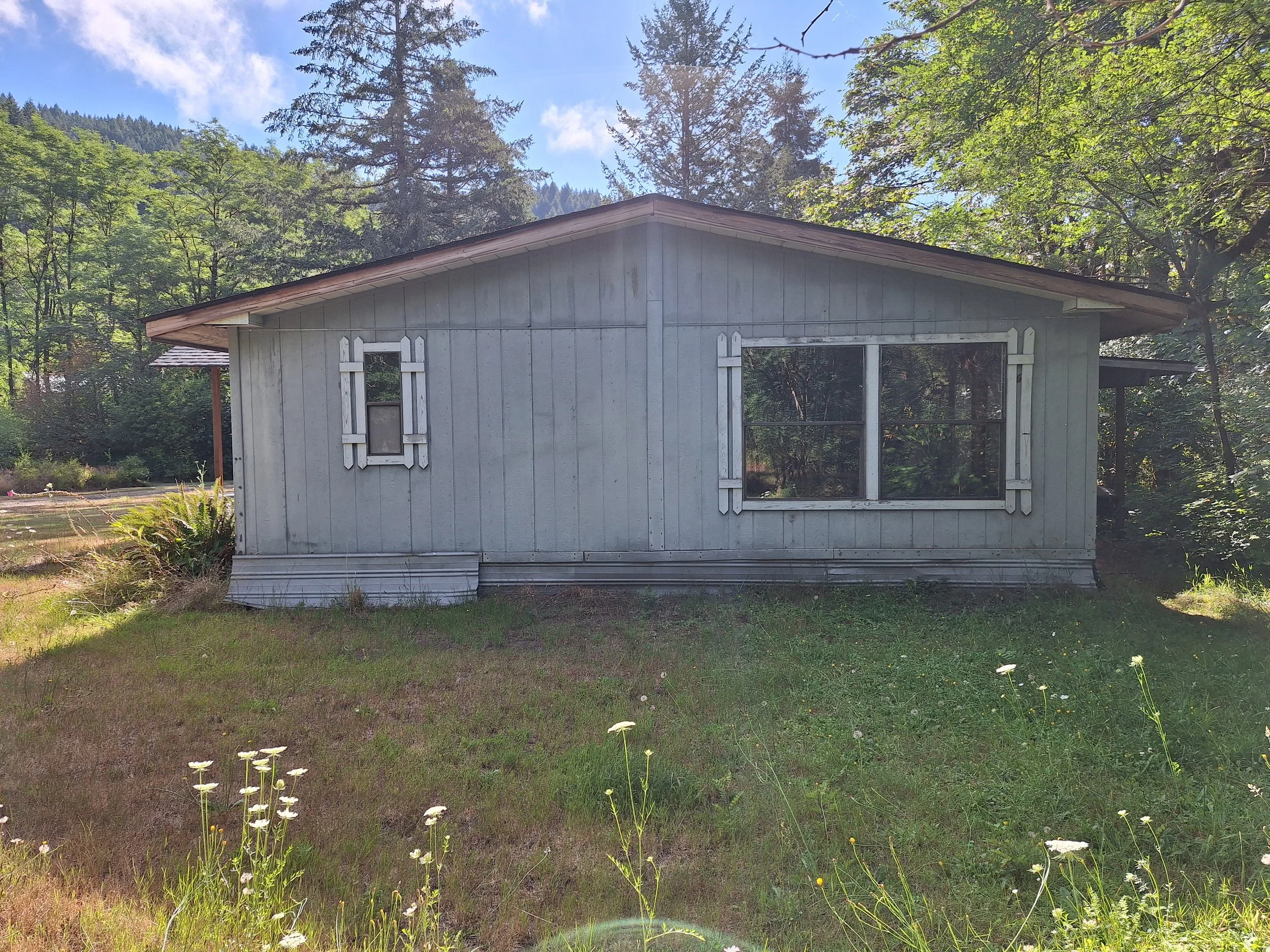
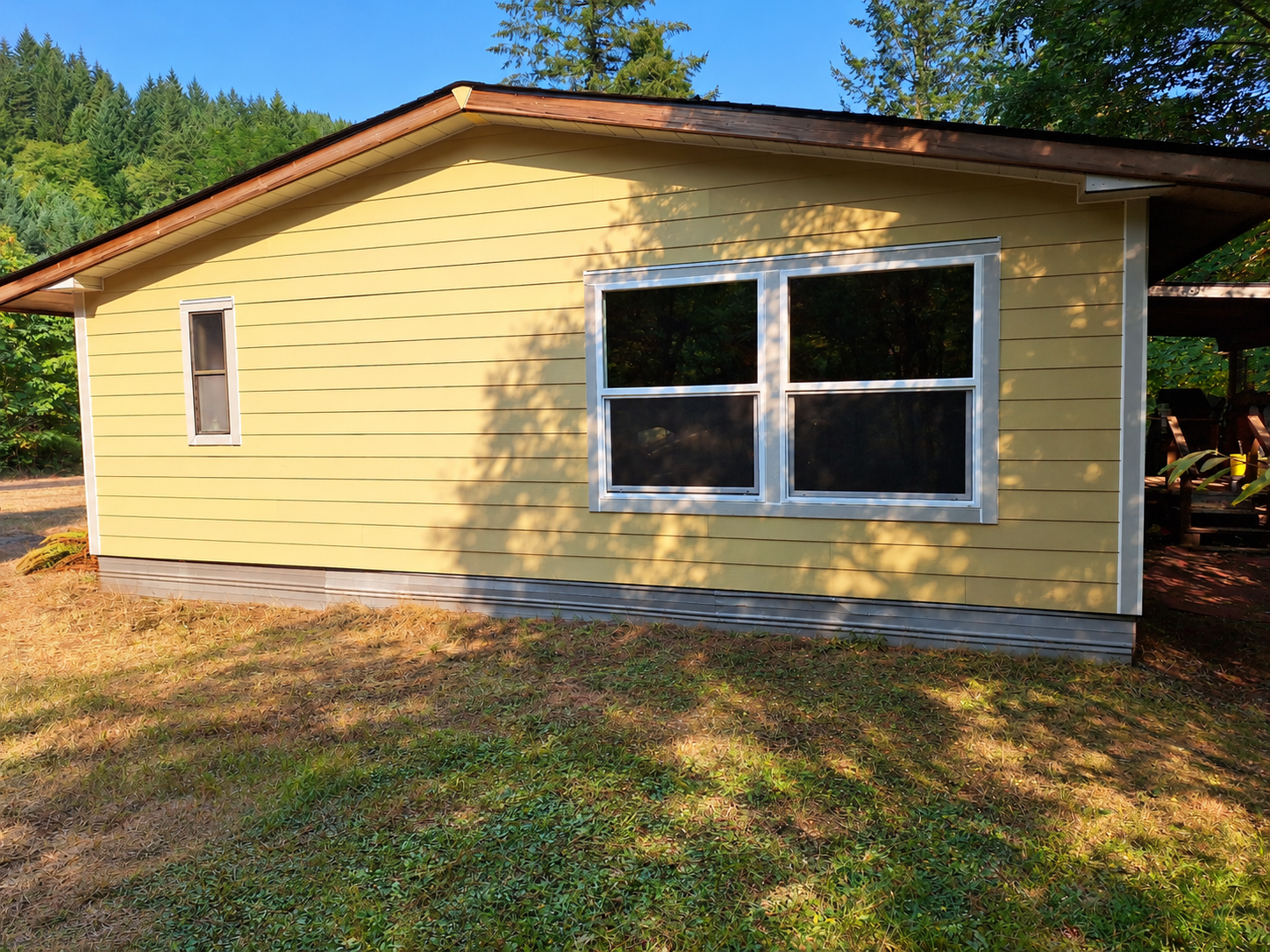
Homeowner Tips | Hansen Contracting & Repairs
When fall arrives in the Pacific Northwest, cooler temperatures and rainy days are a reminder that winter is just around the corner. But while you're getting your home ready for the colder months, there's one important area you shouldn't overlook: your home's exterior.
Your siding, windows, doors, and exterior trim all play a role in protecting your home from the elements. When these components begin to deteriorate, even seemingly minor issues can allow moisture to find its way into places it doesn't belong.
For homeowners in North Plains, Hillsboro, Forest Grove, Banks, and surrounding communities, our wet winters make exterior maintenance especially important.
The good news? Many exterior problems provide warning signs long before they turn into major repairs. Knowing what to look for can help you address concerns early, protect your investment, and avoid more extensive damage down the road.
Here are five warning signs worth paying attention to before winter settles in.
1. Peeling, Bubbling, or Cracking Exterior Paint
It's easy to dismiss peeling paint as a cosmetic issue, especially on an older home. However, deteriorating paint can sometimes be an early indication that moisture is affecting the materials underneath.
Exterior paint does more than improve curb appeal. On painted wood surfaces, a properly maintained finish helps protect the material from weather exposure.
What to look for:
Paint that is peeling, flaking, or bubbling
Discoloration or dark spots that keep returning
Cracks in painted wood siding or trim
Areas where paint repeatedly fails, even after repainting
Why it matters: According to the U.S. Environmental Protection Agency (EPA), peeling paint and wood decay can be indicators of moisture problems in buildings. However, paint failure can also result from improper surface preparation or application, so it's important to identify the cause rather than assume every peeling area has water damage.
What homeowners can do: Walk around your home and take note of areas where paint is deteriorating, particularly around windows, doors, and exterior trim. If you notice repeated paint failure or signs of damaged wood, consider having the area evaluated before simply applying another coat of paint.
2. Soft, Warped, or Deteriorating Siding and Trim
Your home's siding is one of its primary defenses against wind and rain. When siding becomes damaged, water may reach the materials behind it.
In Oregon's wet climate, it's especially important to pay attention to wood siding, fascia, window trim, and other exterior wood components that are regularly exposed to moisture.
What to look for:
Wood that feels soft, spongy, or crumbly
Siding boards that are warped, cracked, or pulling away
Trim that appears swollen or deteriorated
Darkened or discolored areas near the bottom of siding
Visible gaps between siding boards or around trim
Why it matters: Wood decay occurs when conditions allow wood-destroying fungi to grow. While surface deterioration may be easy to spot, damage can sometimes extend into the sheathing or framing behind the siding.
The U.S. Department of Housing and Urban Development (HUD) recommends inspecting exterior wood surfaces for deterioration and checking siding for loose, cracked, or damaged sections.
What homeowners can do: Look closely at siding near the ground, around windows, and where decks or other structures connect to the house. These areas deserve attention because water management details are particularly important.
If you discover damaged siding or trim, the appropriate solution may involve replacing individual boards, repairing underlying wood damage, or considering a more extensive siding replacement.
The important thing is to address the source of moisture, not just cover up the visible damage.
3. Gaps Around Windows and Exterior Doors
Have you ever stood near a window on a cold day and noticed a draft? Or discovered that rainwater seems to collect around an exterior door?
These problems may indicate that the seals, weatherstripping, or installation details around your windows and doors need attention.
What to look for:
Visible gaps around window or door frames
Cracked, missing, or deteriorating caulking
Drafts coming through closed windows or doors
Water staining near window frames or door thresholds
Exterior doors that no longer close or seal properly
Why it matters: Windows and doors interrupt the continuous protective layers of a home's exterior walls. According to the U.S. Department of Energy, properly installed flashing helps direct water away from these openings and prevents it from entering the wall cavity.
Gaps can also allow unwanted air movement, making your home less comfortable and potentially increasing heating costs.
What homeowners can do: Inspect accessible windows and exterior doors for deteriorating seals, visible gaps, or evidence of water intrusion.
Some issues can be resolved with new weatherstripping or appropriate sealing. Others may require repairs to the surrounding trim, flashing, framing, or replacement of the window or door itself.
If you are planning a siding replacement or exterior renovation, it may also be a good opportunity to evaluate the condition of your windows and doors.
4. Water Stains or Discoloration on Exterior Walls
Not every stain on your home's exterior indicates a serious problem. Dirt, algae, and environmental exposure can all cause discoloration.
However, certain staining patterns can provide clues about how water is moving across your home.
What to look for:
Dark streaks beneath windows or along siding
Persistent discoloration around exterior trim
Areas that remain damp longer than surrounding surfaces
Water stains on interior walls near exterior openings
Repeated staining in the same location after cleaning
Why it matters: Moisture intrusion doesn't always announce itself with an obvious leak. Water can travel behind siding, around window openings, or through poorly protected joints before visible damage appears.
The EPA identifies water stains, peeling paint, mold growth, and swollen or warped wood as potential signs of unwanted moisture.
What homeowners can do: Pay attention to where staining occurs and whether it changes after heavy rainfall.
For example, staining beneath a window may warrant an inspection of the window's flashing, surrounding trim, and siding. Water staining near the bottom of an exterior wall may call for a closer look at drainage conditions.
If you suspect water is entering the wall, it's best to have the source investigated before replacing finishes or covering the affected area.
5. Cracked, Loose, or Deteriorating Exterior Materials
Over time, normal weather exposure, building movement, and aging materials can affect the condition of your home's exterior.
A small crack doesn't necessarily mean you have a major problem. However, damaged exterior materials can create openings where water enters or allow existing problems to worsen.
What to look for:
Cracked or broken siding
Loose exterior trim boards
Separation where different building materials meet
Deteriorating wood around exterior stairs or decks
Damaged exterior door frames or thresholds
Why it matters: Your home's exterior works as a system. Siding, trim, flashing, windows, doors, and other components must work together to manage moisture and protect the structure.
The Department of Energy notes that maintaining a home's exterior enclosure, including properly sealing gaps and managing air leakage, can improve comfort and building durability.
What homeowners can do: Look for materials that are visibly damaged, separating, or no longer securely attached. Pay particular attention to areas exposed to frequent rainfall.
Some problems may require relatively straightforward repairs. Others may be signs that it's time to consider replacing aging materials or making broader exterior improvements.
A Simple Exterior Inspection You Can Do This Weekend
You don't need to be a construction professional to recognize many of these warning signs.
Choose a dry day, grab your phone to take photos, and walk around your home from ground level. Pay attention to the condition of your siding, trim, windows, doors, and other visible exterior components.
Here's a quick checklist to help you get started:
Check siding for cracks, warping, or deterioration.
Look for peeling paint or exposed wood.
Inspect accessible window and door seals for gaps.
Look for water staining or areas that stay damp.
Check exterior trim, stairs, and deck connections for visible deterioration.
Note any areas where water appears to collect near your home.
You should also make sure gutters and downspouts are functioning properly and directing water away from the house. For roof-related concerns, use a qualified roofing professional rather than climbing onto the roof yourself.
A helpful tip: Take photos of areas that concern you and compare them over time. This can make it easier to identify whether a crack, stain, or damaged section is getting worse.
If you discover significant deterioration, active water intrusion, or potentially unsafe structural damage, don't wait until winter to seek a professional evaluation.
Repair, Replace, or Renovate? Knowing When It's Time
One of the most common questions homeowners face is whether to repair an existing exterior component or replace it entirely.
The answer depends on several factors, including the age and condition of the materials, the extent of any underlying damage, and your long-term plans for the home.
For example, replacing a few deteriorated siding boards may be appropriate when the surrounding materials are still in good condition. But when damage is widespread, siding is nearing the end of its useful life, or multiple areas have experienced moisture problems, a larger replacement project may offer better long-term value.
A more extensive exterior renovation can also create opportunities to improve your home's appearance, address underlying damage, and update aging windows, doors, or trim at the same time.
In fact, the Department of Energy explains that replacing siding can provide an opportunity to improve wall insulation and air sealing because portions of the wall assembly become accessible during the project.
The goal isn't always to replace everything. It's to make informed decisions that protect your home and fit your priorities.
Protect Your Home Before Small Problems Become Bigger Ones
Oregon's rainy season is a good reminder that the condition of your home's exterior matters just as much as its appearance.
Taking time to recognize warning signs now can help you make informed decisions about maintenance, repairs, and future renovations.
At Hansen Contracting & Repairs, we help homeowners throughout North Plains, Hillsboro, Forest Grove, Banks, and surrounding communities with siding replacement, exterior renovations, window and door projects, custom carpentry, and more.
Whether you're considering replacing aging siding, addressing deteriorated exterior materials, or planning a larger home renovation, our team can help you evaluate your project and explore the next steps.
Planning an exterior home improvement project?
Request your FREE consultation at HansenContractingRepairs.com/contact or call or text 971-491-7250.
Licensed • Bonded • Insured | Oregon CCB #256222
Sources & Further Reading
The following government resources informed the homeowner guidance in this article:
U.S. Environmental Protection Agency — Moisture Control Guidance for Building Design, Construction and Maintenance. Guidance on moisture intrusion, wood decay, water staining, and recognizing moisture-related problems.
U.S. Department of Housing and Urban Development — Residential Building Systems Inspection Guidelines. Recommendations for identifying deteriorating exterior wood, siding, paint, and trim.
U.S. Department of Energy — Window Flashing. Explains how proper window and door flashing helps protect wall assemblies from moisture intrusion.
U.S. Department of Energy — Consumer Guide to Air Sealing the Home. Guidance on air leaks, weatherization, moisture concerns, and improving home comfort.
U.S. Department of Energy — Insulation and Air-Sealing Essentials. Information on improving air sealing and insulation during siding replacement and other home renovations.