
Is Your Home Ready for Oregon’s Rainy Season? A Fall Home Maintenance Checklist
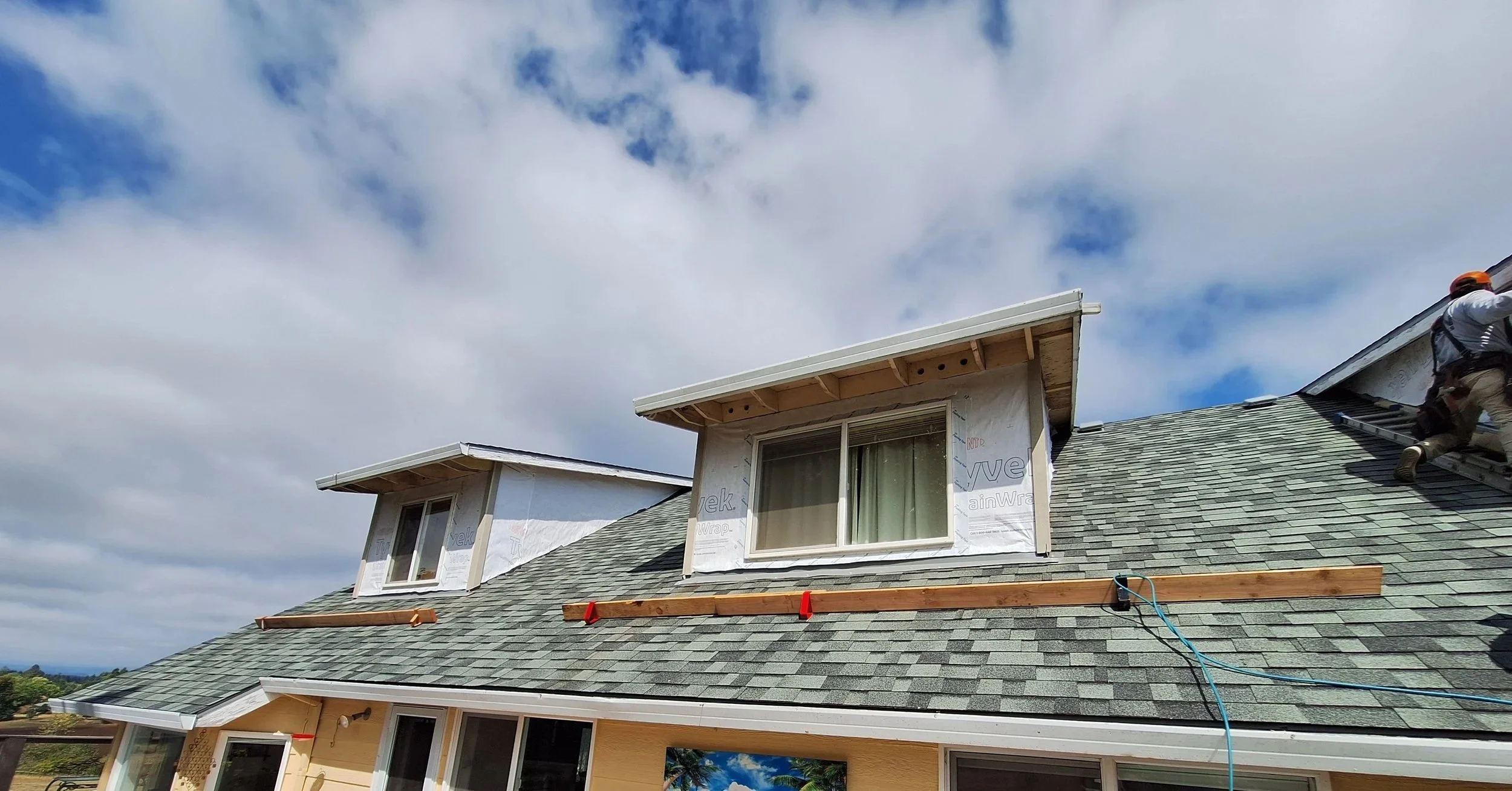
Dormer siding replacement by Hansen Contracting & Repairs.
If you live in North Plains, Hillsboro, Forest Grove, Banks, Beaverton, or the surrounding Portland area, you know that Oregon’s rainy season can put your home’s exterior to the test.
Before months of wet weather settle in, fall is a great time to inspect your home for damaged siding, deteriorating wood, failing caulking, deck damage, drainage problems, and other areas where moisture could become an issue.
Catching exterior home repairs early can help prevent a relatively small problem from turning into a much larger—and more expensive—repair.
Here are several areas Oregon homeowners should check before the rainy season arrives.
1. Inspect Your Siding for Damage
Your siding is one of your home’s primary lines of defense against the Pacific Northwest weather.
Take a walk around your house and look for:
Cracked, loose, warped, or damaged siding
Soft or deteriorating areas
Peeling or bubbling paint
Gaps between siding or trim
Discoloration or staining
Damage around windows and doors
Oregon State University Extension recommends inspecting siding for loose areas and evidence that water may have gotten behind it. The Oregon Construction Contractors Board also identifies deteriorated exterior finishes and inadequate caulking as potential sources of moisture intrusion.
If you discover rot or deterioration, it's important to determine why moisture is reaching the area rather than simply covering or replacing the visibly damaged material.
Repair or Replace Your Siding?
Not every damaged area requires a complete siding replacement.
Localized damage may sometimes be addressed with siding repair, while widespread deterioration, age, recurring moisture problems, or extensive damage may make siding replacement the better long-term solution.
A contractor can help determine which approach makes sense based on the condition of your home.
2. Check Around Windows and Doors
Windows and doors are another important area to inspect before Oregon's rainy season.
Look closely for:
Cracked or missing caulking
Gaps around windows and doors
Deteriorating exterior trim
Soft or rotting wood
Peeling paint
Water staining
Signs of moisture inside around window openings
The Oregon CCB identifies inadequate caulking and weather-stripping around windows and doors as potential sources of moisture intrusion. OSU Extension also recommends checking exterior seals and caulking for potential leakage.
Sometimes visible damage around a window is only part of the problem, so don't ignore soft trim, staining, or other signs that moisture may be getting behind exterior materials.
3. Inspect Your Deck for Rot and Damage
Oregon decks spend much of the year exposed to rain and moisture, making fall a good time for a closer inspection.
Check your deck for:
Soft or deteriorating boards
Cracked or splitting wood
Loose deck boards
Loose or unstable railings
Areas that remain damp
Deterioration around fasteners
Rot or damage where the deck connects to the home
OSU Extension specifically recommends checking decks for rot, particularly where the deck attaches to the house.
Finding deterioration doesn't automatically mean you need a completely new deck. Depending on its age, construction, and overall condition, deck repairs may be an option.
However, significant rot, structural concerns, or problems with the deck-to-house connection should be evaluated carefully.
4. Clean and Inspect Gutters and Downspouts
Gutters have an important job during an Oregon fall and winter: moving large amounts of rainwater away from your house.
Leaves, pine needles, and other debris can interfere with that process.
Before the rainy season, check that:
Gutters are clear of debris
Water can flow freely
Gutters aren't pulling away from the house
Downspouts are connected properly
Downspouts direct water away from the foundation
OSU Extension and the Oregon CCB both identify gutter and downspout problems as potential contributors to excess moisture around a home.
5. Check Drainage Around Your Foundation
The next time it rains, take a walk around your property.
Look at where the water actually goes.
Is water pooling alongside your foundation? Do your downspouts discharge directly next to the house? Does the surrounding ground appear to direct water toward your home?
Ideally, water should be directed away from the structure.
OSU Extension recommends preventing water from pooling near the foundation and maintaining drainage that carries water away from the home.
6. Inspect Exterior Trim and Woodwork for Rot
Siding isn't the only exterior material vulnerable to moisture.
Take a closer look at:
Window and door trim
Fascia and other exterior trim
Deck posts and railings
Exterior stairs
Wood structures
Other exposed exterior carpentry
Watch for soft wood, discoloration, peeling paint, cracking, deterioration, or areas that remain wet longer than surrounding materials.
Rot can sometimes be more extensive beneath the surface than it initially appears. Addressing the moisture source along with the damaged material is important for preventing the problem from returning.
7. Watch for Signs of Moisture Inside Your Home
Sometimes an exterior moisture problem first becomes noticeable inside the house.
Keep an eye out for:
Water stains around windows or doors
Staining on walls or ceilings
Peeling or bubbling paint
Damp areas
Musty odors
Unusual condensation
Visible mold
OSU Extension identifies signs such as musty odors, mold, condensation, and water staining as indicators homeowners should investigate.
If you notice something unusual inside, consider what is located on the other side of that wall or above the affected area.
Why Fall Home Maintenance Matters in Oregon
Oregon's long wet season means exterior materials can spend months exposed to repeated moisture.
A small area of damaged siding, deteriorating trim, or failed caulking may not seem urgent during dry weather. Once persistent rain arrives, however, existing vulnerabilities can allow moisture to reach areas of the home that should remain protected.
That's why fall home maintenance in Oregon isn't just about getting your house ready for colder weather. It's also an opportunity to identify exterior repairs before months of rain potentially make existing problems worse.
Does Your Home Need Exterior Repairs Before the Rain?
You don't need to know whether you're looking at a minor repair or a larger problem before contacting a contractor.
If you've noticed damaged siding, rotting exterior wood, deteriorating areas around windows or doors, deck damage, or other exterior concerns, Hansen Contracting & Repairs can evaluate the project and help determine the appropriate next step.
We provide:
Siding repair & replacement
Window replacement
Deck construction & repair
Exterior carpentry
Rot repair
Home repairs & improvements
Hansen Contracting & Repairs serves homeowners throughout North Plains, Hillsboro, Forest Grove, Banks, Beaverton, and surrounding communities.
Get Your Home Ready for Oregon's Rainy Season
Have an exterior project you've been putting off? Now is a great time to get it on the calendar.
Request a FREE consultation with Hansen Contracting & Repairs.
📞 Call or text 971-491-7250
Licensed • Bonded • Insured | Oregon CCB #256222
Sources & Further Reading
Information and home maintenance recommendations referenced in this article were informed by the following resources:
Oregon State University Extension — Mold Control: Home Inspection Checklist
Oregon State University Extension — Winter Storm Damage Checklist
Oregon Construction Contractors Board — New Home Maintenance Schedule & Moisture Guidance