
Exploring natural materials, sustainable building practices, and craftsmanship that stands the test of time.
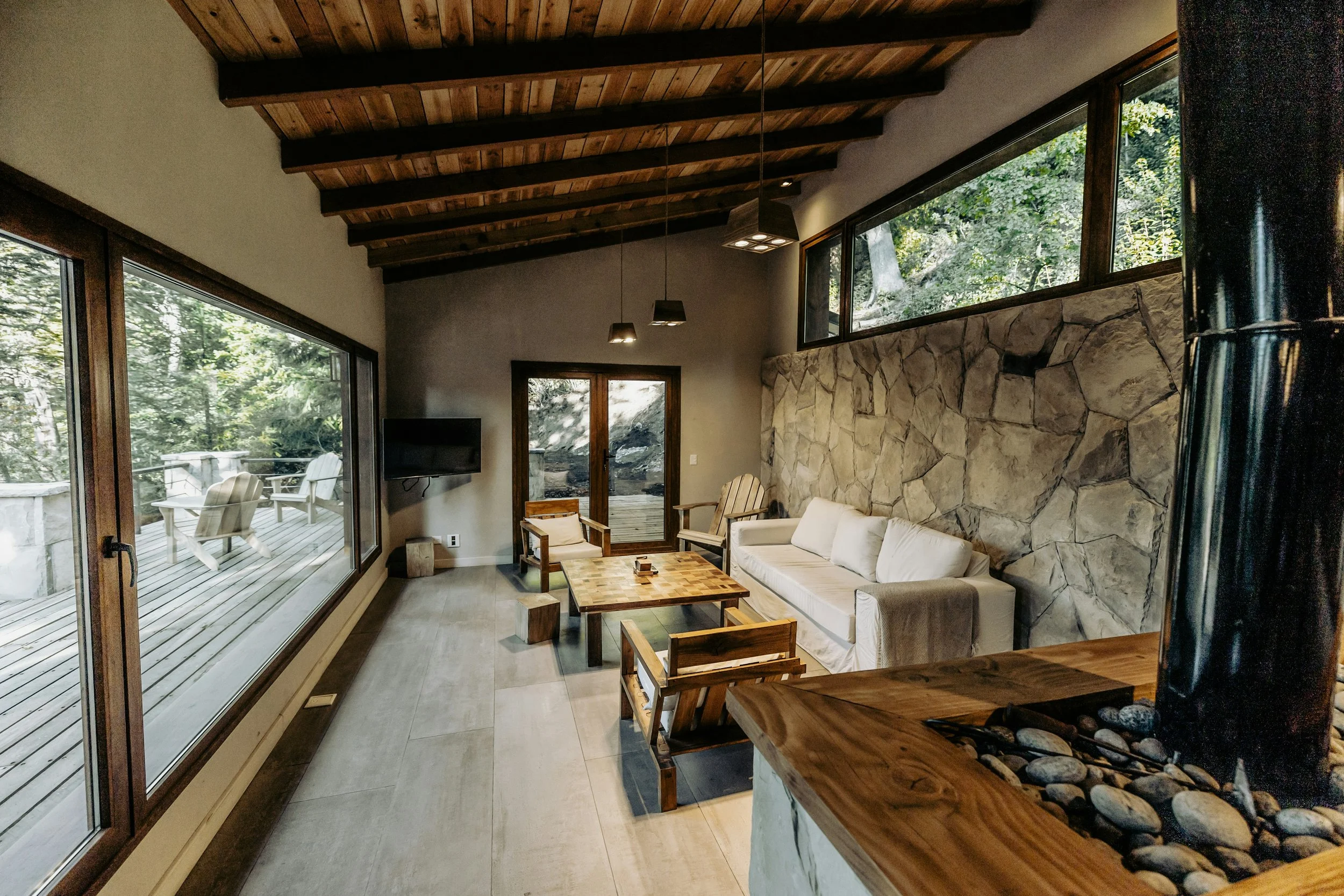
When we think about remodeling our homes, we often focus on the finished result: a beautiful kitchen, updated flooring, a welcoming outdoor space, or a bathroom that feels more comfortable and functional.
But there's another important part of the process that deserves our attention: the materials we choose and the impact those choices can have over time.
Where do our building materials come from? How are they made? How long will they last? And what happens when they eventually need maintenance, repair, or replacement?
These are questions worth asking.
At Hansen Contracting & Repairs, we believe thoughtful material selection is an important part of quality craftsmanship. We're interested in building practices that bring together natural materials, responsible sourcing, traditional techniques, and long-term durability.
It's an approach that considers not only how a home looks today, but how it performs, ages, and serves the people living in it for years to come.
1. Why Natural Materials Deserve a Closer Look
For generations, homes have been built using materials found in the natural world: wood, stone, clay, lime, and other resources.
Many of these materials remain valuable options in modern construction and remodeling.
Natural wood brings warmth, texture, and character to interior and exterior spaces. Stone offers durability and timeless appeal. Traditional materials such as lime and clay can create distinctive finishes with properties that differ from conventional products.
One of the most appealing qualities of certain natural materials is their ability to be maintained, repaired, or refinished over time.
Rather than treating every worn or damaged surface as something that needs to be replaced, we can consider whether it can be restored.
Of course, natural doesn't automatically mean environmentally friendly. Sourcing, manufacturing, transportation, durability, and maintenance all influence a material's overall environmental impact.
The goal is to make informed choices that balance beauty, performance, environmental considerations, and practicality.
2. The Value of Locally and Responsibly Sourced Materials
Here in the Pacific Northwest, we're surrounded by a landscape rich in natural beauty and a long tradition of woodworking and craftsmanship.
Whenever practical, sourcing materials locally or regionally can offer meaningful benefits.
Locally sourced materials may reduce transportation distances, support regional suppliers and craftspeople, and help connect a home to the character of its surrounding environment.
For example, regionally sourced timber can be a beautiful choice for custom carpentry, decking, pergolas, and architectural features.
But responsible sourcing matters just as much as proximity.
Choosing wood from responsibly managed forests, considering available certifications such as those from the Forest Stewardship Council (FSC), and understanding how materials are produced are all important parts of the decision-making process.
Supporting local resources and responsible production can go hand in hand.
3. Natural Building Materials Worth Considering for Your Home
Choosing more natural materials doesn't mean sacrificing beautiful design, functionality, or durability.
In fact, many traditional building materials offer something increasingly valuable in modern homes: the ability to be maintained, repaired, and renewed rather than automatically replaced.
Here are several options homeowners can explore when planning a renovation.
Solid Hardwood Flooring
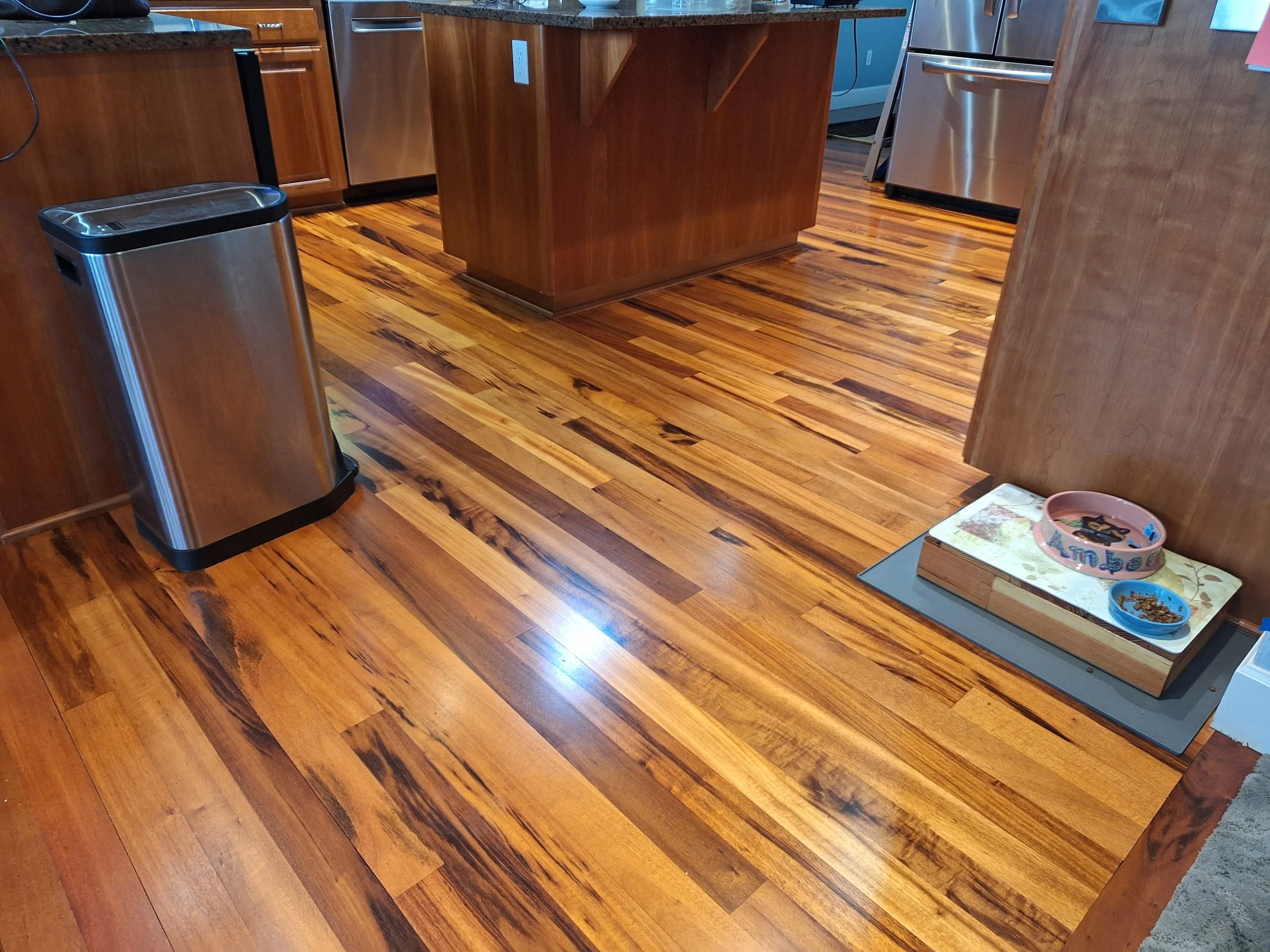
Beautifully refinished Tigerwood hardwood floors from a Hansen Contracting & Repairs project. Refinishing completed by our trusted specialty trade partner, Hardwood Solutions. A great example of restoring and preserving the natural beauty of existing materials.
Unlike many flooring products that must be replaced when their surfaces become worn or damaged, solid hardwood can often be sanded and refinished multiple times throughout its lifespan.
Species such as white oak, maple, and Douglas fir offer distinctive character, natural warmth, and opportunities for long-term restoration.
For homeowners who already have hardwood floors, refinishing may be worth considering before investing in replacement flooring.
Preserving existing hardwood can also help reduce the need for new materials and keep usable flooring out of the waste stream.
Natural Wood Decking and Exterior Features
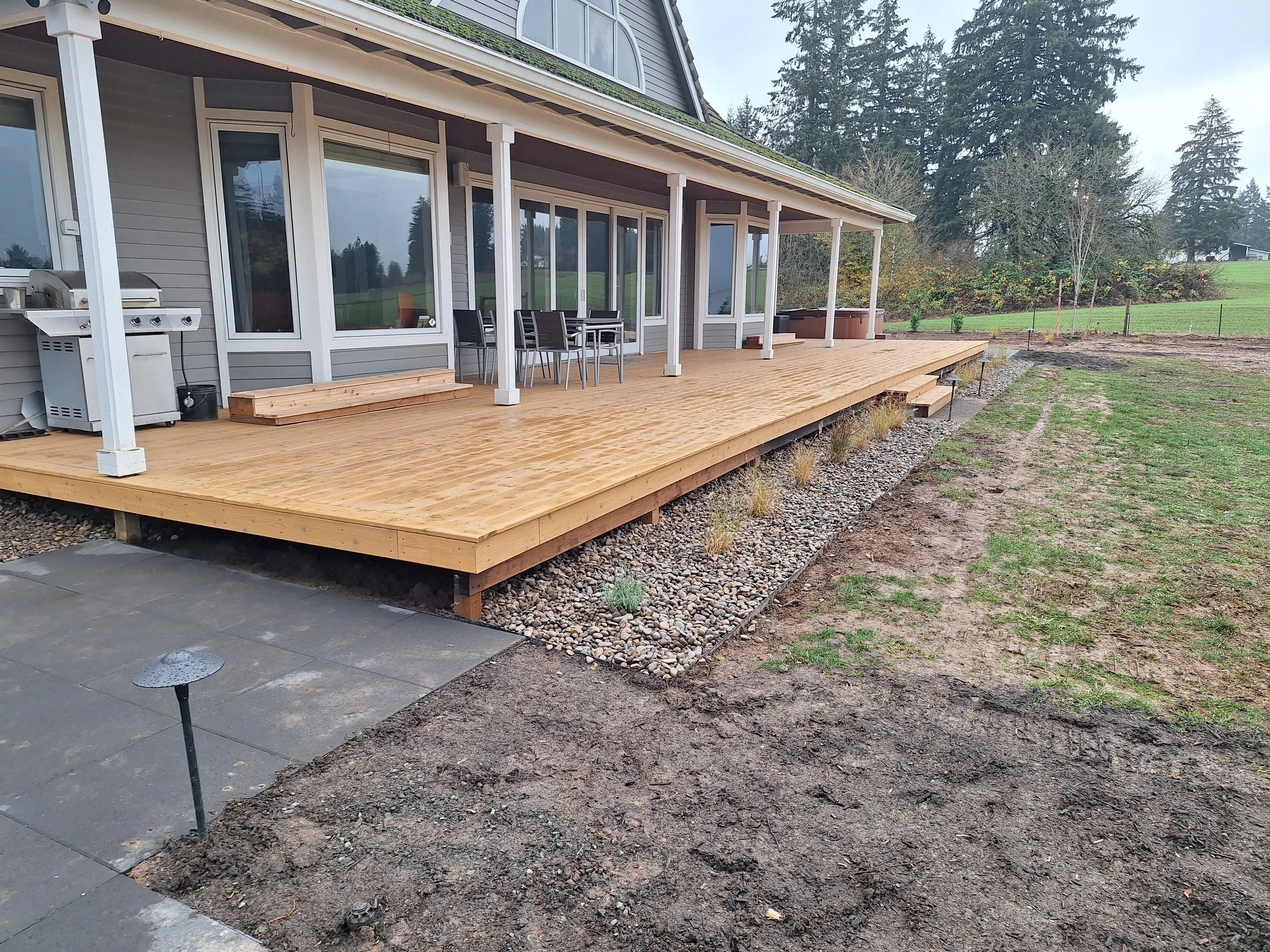
This custom cedar deck by Hansen Contracting & Repairs showcases the warmth and natural character of real wood. With proper care and maintenance, cedar decking can be refinished and enjoyed for years to come.
Cedar, redwood, and appropriately selected Douglas fir can bring warmth and natural beauty to decks, pergolas, fences, and other outdoor structures.
Depending on the species, grade, treatment, and application, wood can be maintained through cleaning, refinishing, and selective board replacement.
Proper construction, moisture management, and routine maintenance are especially important in the Pacific Northwest's wet climate.
For homeowners who appreciate the natural character of wood, thoughtfully designed outdoor structures can create a beautiful connection between the home and its surroundings.
Reclaimed and Reused Wood
Reclaimed timber, salvaged lumber, and repurposed architectural materials can add character to home renovations while reducing demand for newly manufactured products.
These materials may be incorporated into custom shelving, accent walls, cabinetry details, decorative beams, and other finish carpentry projects.
Reclaimed wood often features unique grain patterns, weathering, and character that can be difficult to reproduce with new materials.
When properly evaluated for condition and suitability, reclaimed materials offer opportunities to preserve valuable resources and create distinctive features.
Natural Plaster and Mineral-Based Wall Finishes
Traditional finishes such as lime plaster, clay plaster, and limewash offer alternatives to conventional decorative wall coatings.
These materials can create beautiful textures and subtle variations in color while offering different performance and maintenance characteristics.
Some mineral-based finishes can be repaired or refreshed without replacing the entire surface, although suitability depends on the product, substrate, and application.
For homeowners interested in warm, organic interiors, these finishes can create an appearance that feels both timeless and distinctive.
Natural Wood Oils and Repairable Finishes
Certain wood finishes, including penetrating oils and hardwax oils, can highlight natural grain while allowing for localized maintenance or refinishing.
These finishes may be considered for appropriate flooring, cabinetry, furniture, and architectural woodwork.
Because protection levels and maintenance requirements vary, selecting the right finish for the intended use is essential.
Some finishes require more frequent upkeep than conventional coatings, but their repairability can be an advantage for homeowners who value long-term care and preservation.
Natural Stone and Tile
Natural stone materials such as slate, granite, and soapstone offer distinctive appearances and long service lives when properly selected and installed.
Some stone surfaces can be refinished, repaired, or resealed over time, making them worth considering for countertops, flooring, and other appropriate applications.
Their environmental impact depends on factors including extraction, processing, transportation, and durability.
As with any building material, the best choice depends on the intended application and the homeowner's priorities.
4. Rediscovering Traditional Building Techniques
Modern construction has brought incredible advances in efficiency, performance, and building technology.
At the same time, there's renewed interest in traditional techniques that have been used for generations.
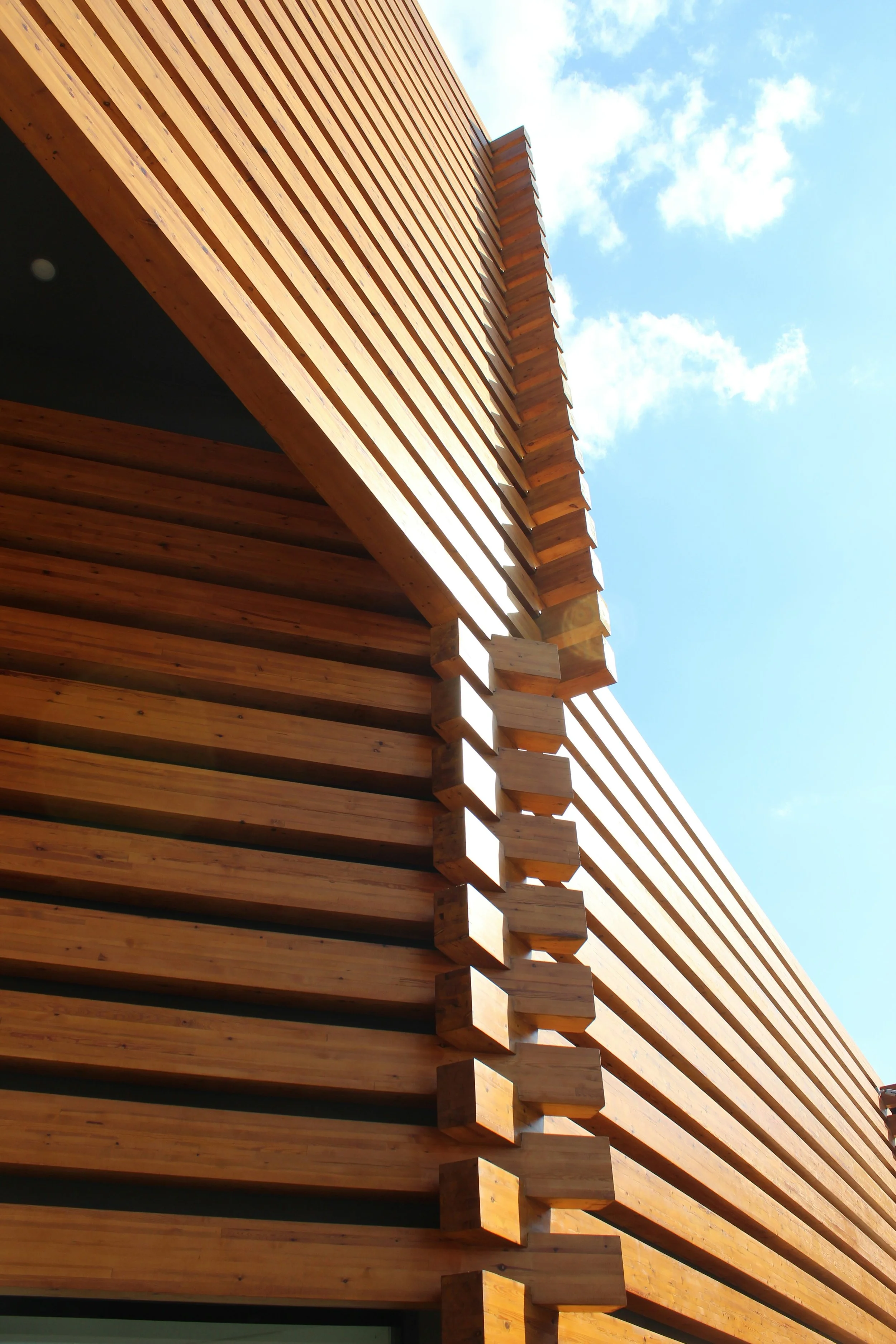
Timber joinery, natural plaster finishes, traditional wood treatments, and other time-tested methods offer opportunities to explore different approaches to building and finishing spaces.
Traditional timber joinery, for example, uses carefully shaped wood connections to create distinctive structures. Lime-based and clay plasters offer textured architectural finishes, while traditional wood treatments provide different approaches to protecting and preserving timber.
These methods aren't necessarily suitable for every project, and many require specialized installation, appropriate detailing, and ongoing care.
However, they remind us that innovation doesn't always mean abandoning the past.
Sometimes it means combining traditional knowledge with modern building science to create something both beautiful and practical.
5. Giving Existing Materials a Second Life
One of the most practical ways to approach sustainable remodeling is to consider what can be preserved, repaired, refinished, or reused before replacing it.
Existing hardwood floors, solid wood doors, cabinetry, trim, and other architectural elements may have years of useful life remaining.
Sometimes a worn surface needs refinishing rather than replacement. A damaged section of woodwork may be repairable without removing the entire feature. And certain salvaged materials can find new purpose in a thoughtfully designed renovation.
Of course, not everything can or should be saved. Moisture damage, structural concerns, safety, and the cost of restoration must all be considered.
But evaluating what already exists before deciding to replace it is a valuable part of the remodeling process.
Sometimes the most thoughtful improvement begins with recognizing the value of what's already there.
6. Building for Longevity, Not Just Appearance
A beautifully remodeled home should do more than look impressive on the day a project is completed.
It should continue serving its occupants well through changing seasons, daily use, and the natural aging of materials.
This is especially important in western Oregon, where wet winters and seasonal moisture can place additional demands on exterior building materials.
Thoughtful material selection, proper installation, drainage, ventilation, and ongoing maintenance all contribute to long-term performance.
For example, a wood deck benefits from appropriate construction details and a maintenance plan suited to its materials and exposure.
Interior finishes also require consideration. Some surfaces can be repaired or renewed, while others may require more involved maintenance.
Understanding these needs before beginning a project helps homeowners make choices that align with their lifestyles and expectations.
True durability isn't simply about choosing the toughest material. It's about selecting the right material for the application, installing it correctly, and caring for it over time.
7. A More Thoughtful Approach to Remodeling
Sustainable remodeling doesn't have to follow a single design style or use exclusively natural materials.
It's about asking better questions and making informed decisions.
Could an existing feature be restored rather than replaced?
Is there a responsibly sourced alternative worth considering?
Would a more durable or refinishable material reduce the need for future replacement?
Can the design make better use of natural light, improve functionality, or accommodate changing needs?
Are there opportunities to reduce waste during construction?
Every home, project, and budget is different. The most responsible choice often involves balancing several priorities rather than looking for one perfect solution.
And that's what makes thoughtful planning so valuable.
Looking Toward a More Natural Future
At Hansen Contracting & Repairs, we believe quality craftsmanship and thoughtful material selection belong together.
As we continue exploring natural building materials, locally sourced resources, reclaimed products, and traditional construction techniques, we're excited about the possibilities they offer for home remodeling and improvement.
Our goal is to help homeowners create beautiful, functional spaces that reflect their priorities while considering how those spaces will perform and age over time.
Whether that means preserving existing materials, choosing wood that can be refinished, or exploring more natural finishes, thoughtful decisions today can create lasting value for the future.
Because the homes we build and improve today become part of the world we leave behind tomorrow.
Hansen Contracting & Repairs
Family-Owned | Licensed • Bonded • Insured
Oregon CCB #256222
Serving North Plains, Hillsboro, Forest Grove, Banks, Beaverton, and surrounding Oregon communities.
Interested in exploring natural or environmentally conscious materials for your next remodeling project?
We'd love to help you explore the possibilities.